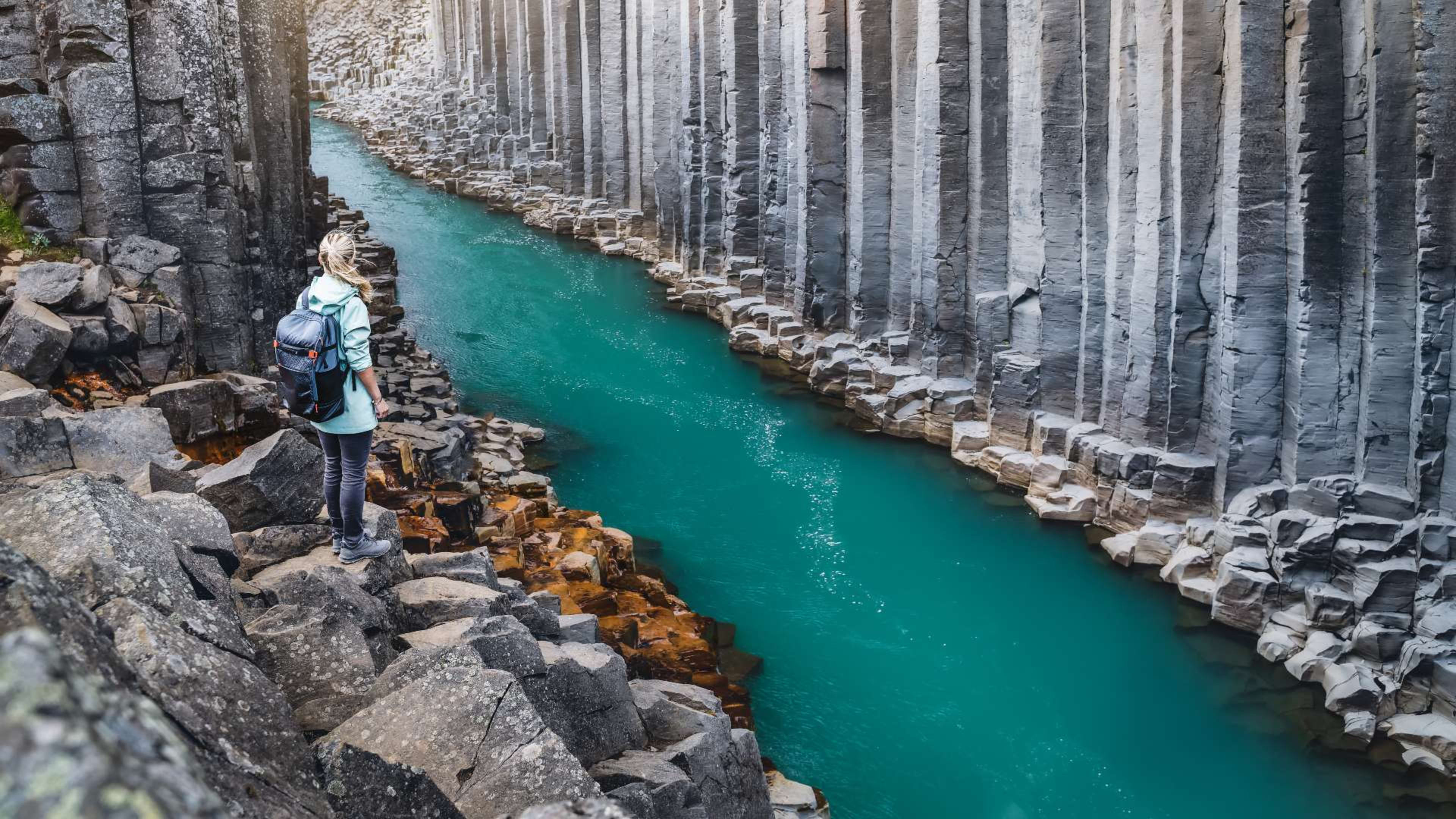
You’re coming for the glaciers, volcanoes, hot springs, and outdoor thrills. Not to mention the wildlife-watching in summer and Northern Lights-hunting in winter. There’s a lot to do in the Land of Fire and Ice. But how long do you need in Iceland to fit it all in?
Of course, the longer you stay, the more time you’ll have for adventure and excitement. But if you only have a long weekend, that’s enough to get a taste of Iceland (and whet your appetite for a longer visit!).
In this guide, discover how long to visit Iceland for, depending on what you want to get up to. Read on for suggestions on where to go and how much time to spend in each region. But these are only minimum guides, because ultimately you can stay as long as you like!
So, How Many Days in Iceland is Enough?
For most travelers, 5–7 days in Iceland is enough to see the country’s highlights and iconic landscapes. This gives you time to explore Reykjavík, travel along the South Coast, and visit major natural attractions without feeling rushed.
If you only have 3–4 days, you can still enjoy a great introduction to Iceland. You can do so by focusing on Reykjavík and nearby regions like the Golden Circle or the South Coast. With 7–8 days, you can comfortably drive the famous Ring Road. Meanwhile, 10 days or more allows you to explore remote areas like the Westfjords or travel at a slower pace.
Below, you’ll find suggested trip lengths based on what you want to see and how you like to travel. This will help you decide how many days in Iceland are right for you.
- Ready to travel? Check out these last-minute trips to Iceland.
3 Days in Iceland: Reykjavík Day Trips
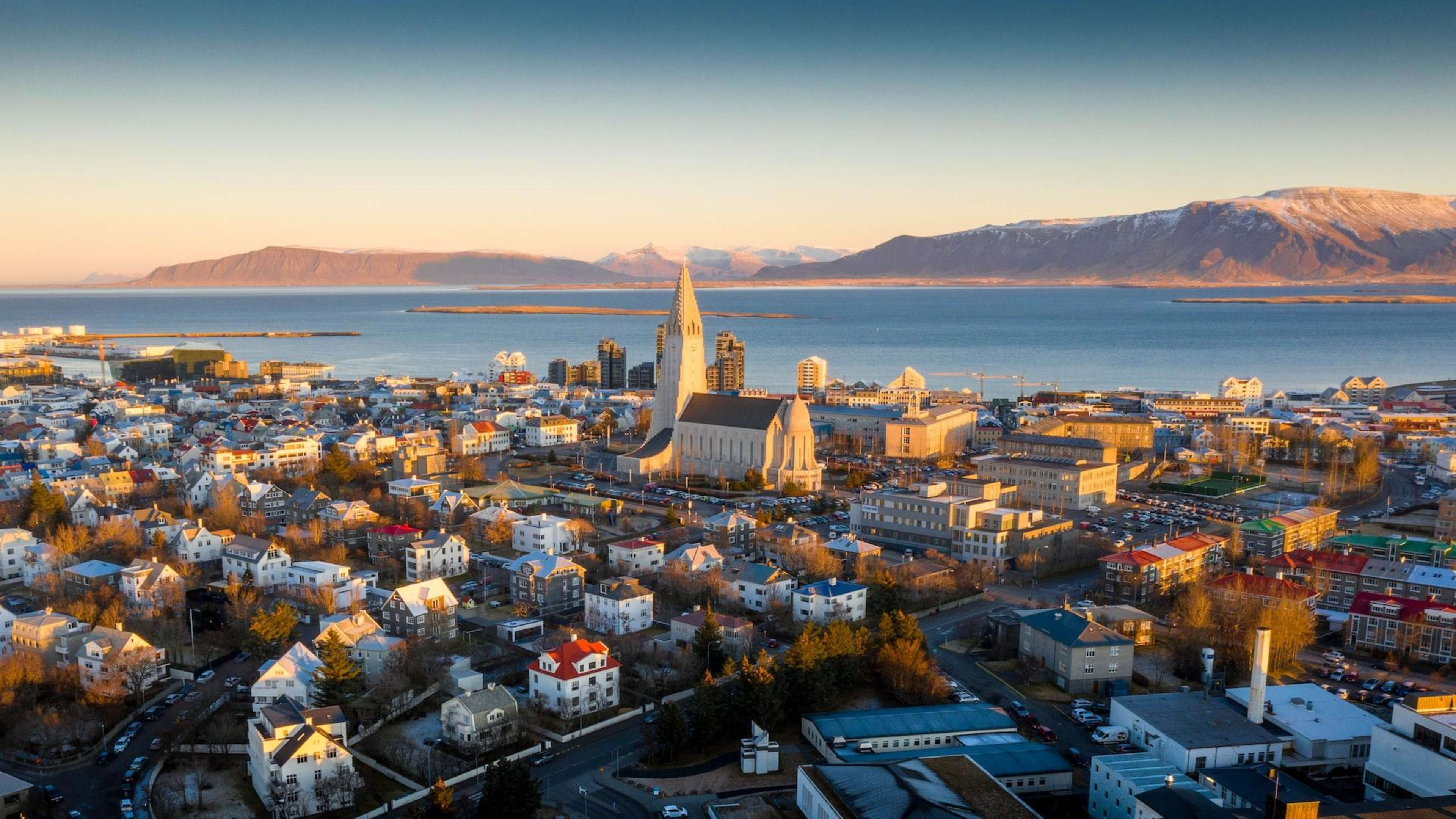
As Iceland’s capital city, Reykjavík is the cultural heart of the nation. No matter how long you’re staying in Iceland, you’ll likely start and end your trip here. And if you’ve only got a long weekend in Iceland, this is the place to be.
That said, to get the most out of your short trip in Iceland, allow at least three days of travel. This gives you time to see Reykjavík’s most popular attractions while getting a real feel for the city.
So, what’s the best way to enjoy a trip to Reykjavík? Stroll along the harbor, explore downtown’s vibrant food scene, and admire some of the city’s architectural landmarks, such as Hallgrímskirkja.
No Reykjavík, Iceland itinerary would be complete without a visit to one of the country’s renowned spas. A soak in one of these is the perfect way to unwind after a day of sightseeing. The Blue Lagoon, with its warm mineral-rich waters, is the most famous. What’s more, its location between Keflavik Airport and the capital makes it an easy addition to your trip.

Aside from spending time in Reykjavík, a 3-day stay also gives you the chance to enjoy excursions into the surrounding countryside. For example, follow the popular Golden Circle route and see three of Iceland’s top attractions in a single day.
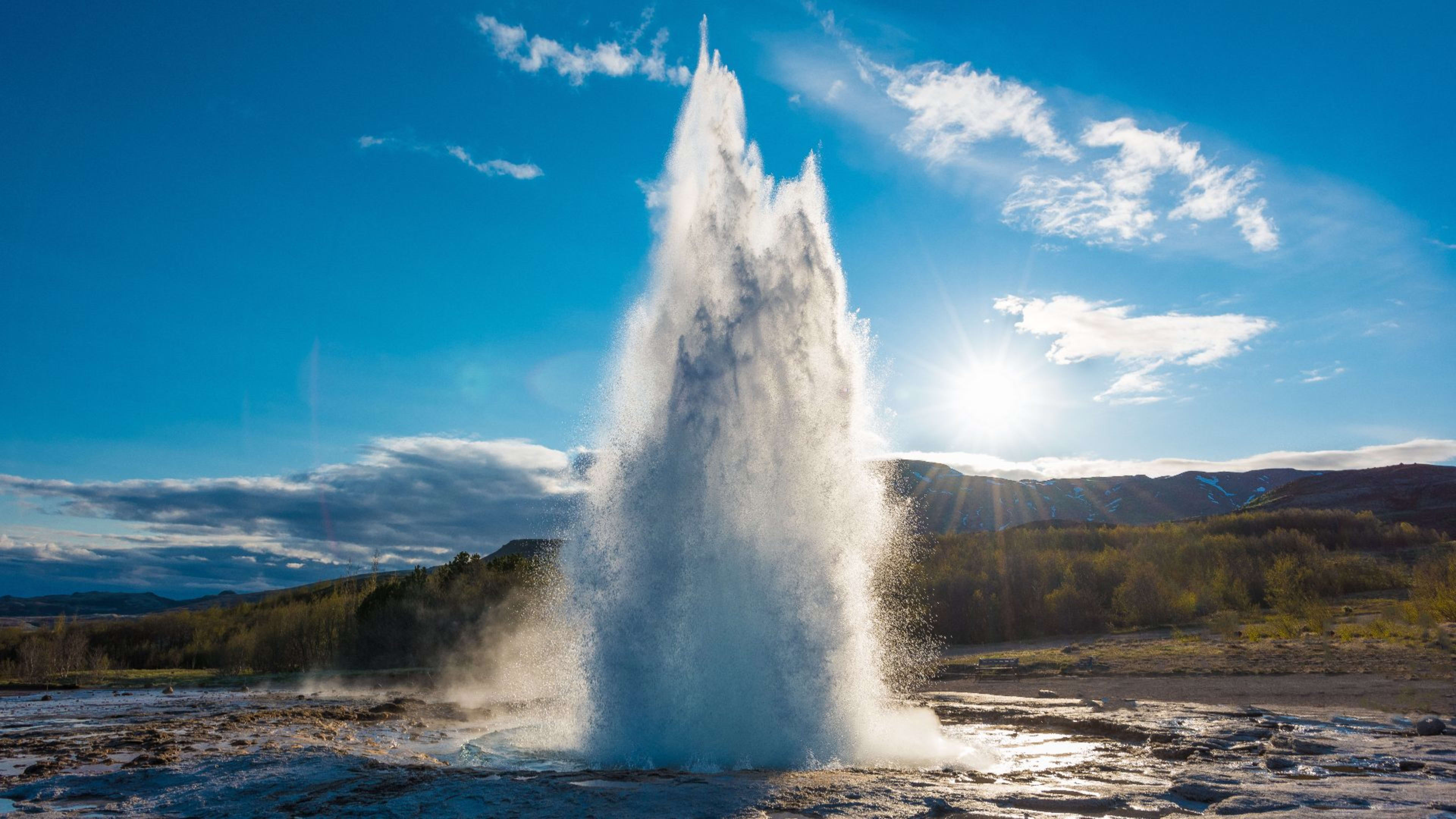
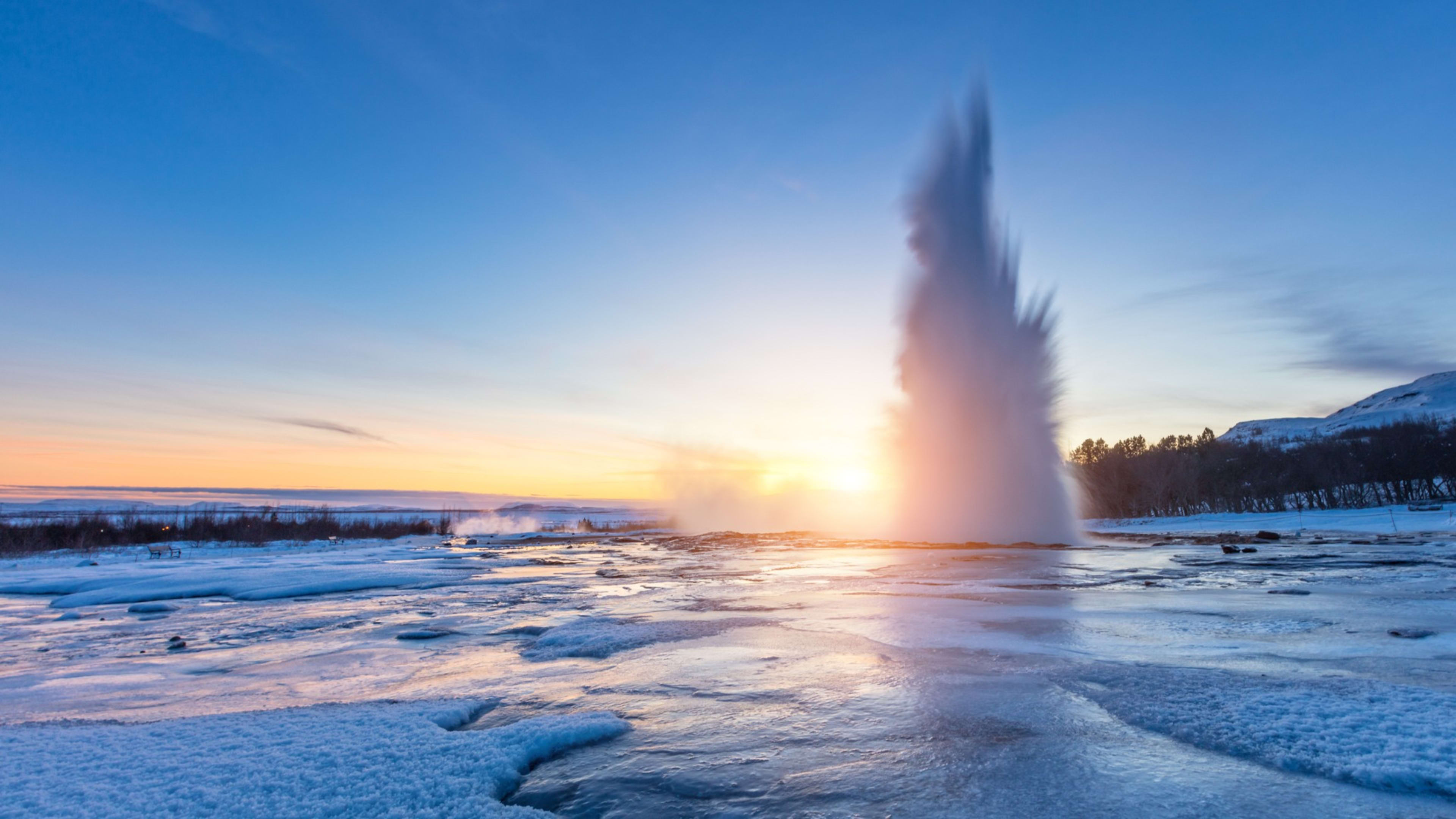
These include Þingvellir National Park, a UNESCO World Heritage Site and the location of Iceland’s ancient parliament. You’ll also witness the mighty Gullfoss Waterfall and the active geysers at the Geysir geothermal area.
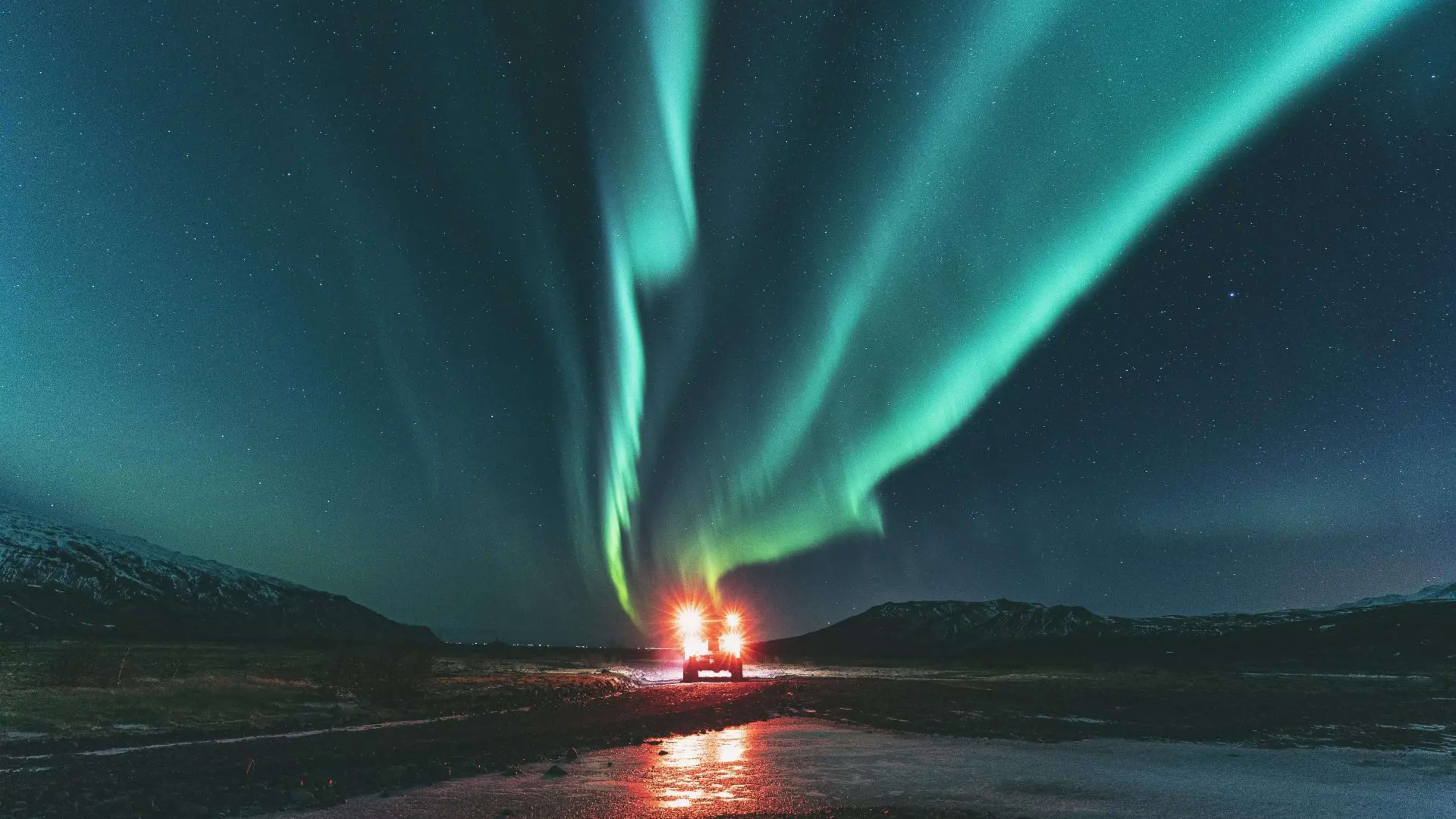
Have more time for another day trip? Head along Iceland’s beautiful South Coast, where you’ll encounter breathtaking waterfalls and dramatic black sand beaches. In summer, you could join a puffin- or whale-watching boat tour from the Reykjanes Peninsula. Visit in winter, and you may even get the chance to chase magical displays of the Northern Lights.
- Find out how many days in Iceland in winter are enough.
- Related: 10 must-see attractions close to Reykjavík.
4 Days in Iceland: Reykjavík & South Iceland
Plan a 4-day trip, and you’ll be able to travel farther from Reykjavík to experience more of Iceland’s South Coast.
This trip length is ideal for combining time in the capital with the highlights of South Iceland. That said, it would be easy to spend longer here if you wanted to explore the region in greater depth.
Start your journey by discovering Reykjavík’s cultural gems and visiting the must-see attractions along the Golden Circle route.
With a full day to explore, you could also add some thrilling activities to your Golden Circle tour. Imagine venturing into Raufarhólshellir Lava Tunnel, formed thousands of years ago. Or racing across a glacier on a guided snowmobile excursion.
Next, spend your remaining two days traveling along the rugged South Coast. It’s home to many glacial and volcanic landscapes that give Iceland its nickname, the Land of Fire and Ice.
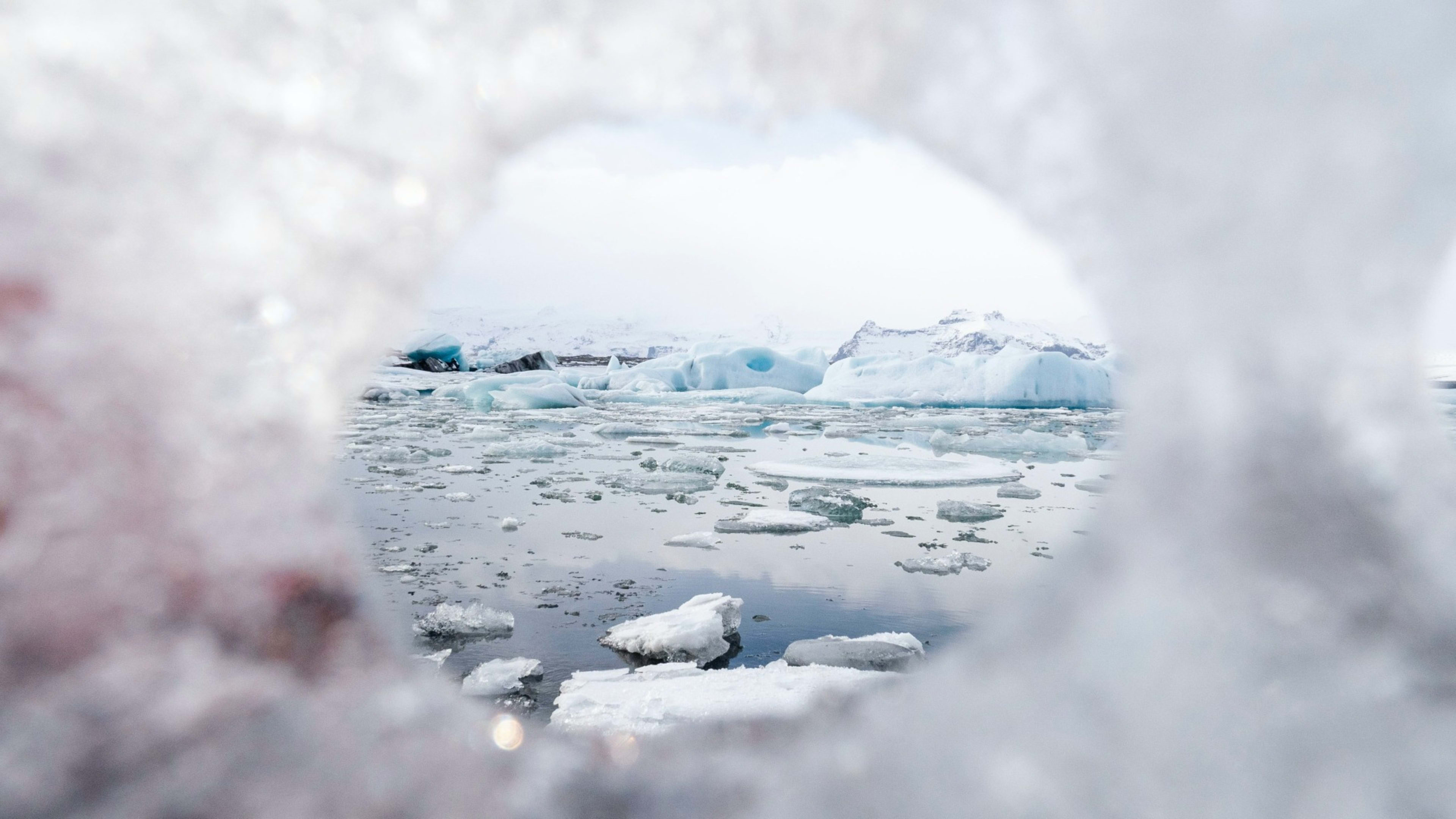
Highlights include Jökulsárlón, a glacier lagoon filled with floating icebergs. And Vatnajökull National Park, which features volcanoes, geothermal areas, and one of the largest ice caps in Europe.
During your 4-day getaway, you can base yourself in Reykjavík and join day tours from the city. Alternatively, split your stay between the capital and one of the charming villages along the South Coast. Vík is a popular choice, with the striking black sand beach of Reynisfjara just nearby.
- Adventure is waiting for you on an adventure tour in Iceland.
- Related: Lava caves and ice caves in Iceland – Your guide.

5–6 Days in Iceland: South Iceland & the Snæfellsnes Peninsula
Seeing Snæfellsnes, in combination with South Iceland, over 5–6 days means you can take a deep dive into these regions.
Often called “Iceland in miniature,” the Snæfellsnes Peninsula lives up to its nickname. Here, you’ll discover epic mountains, gleaming glaciers, and dramatic coastlines dotted with picturesque fishing villages. It’s a destination well worth adding to your Iceland vacation itinerary.
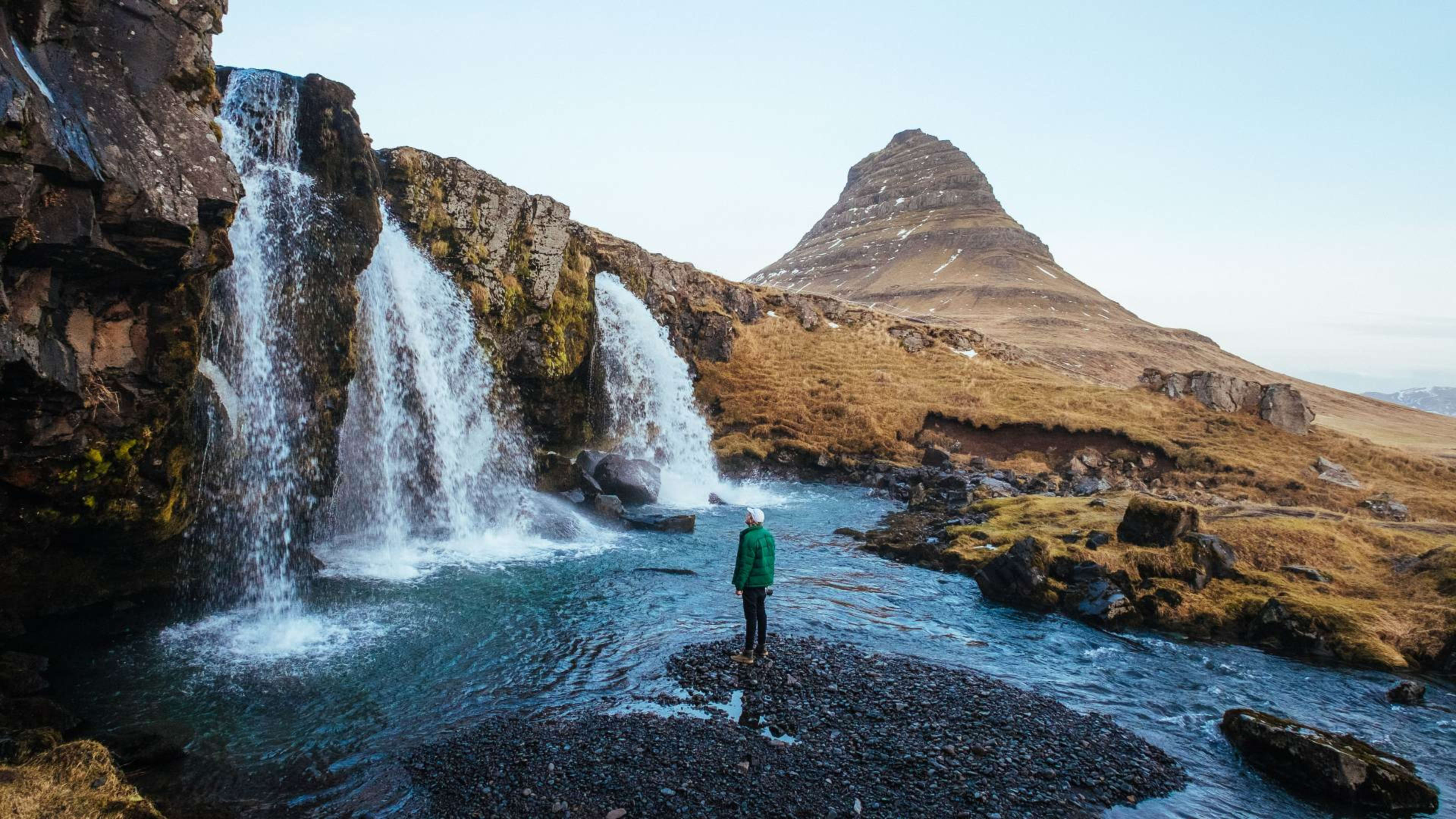
Dedicate a full day to touring the Snæfellsnes Peninsula. Along the way, you’ll pass the iconic peak of Kirkjufell Mountain as you follow the peninsula’s scenic coastal road. Be sure to visit the towering sea cliffs near Arnarstapi and the black sands of Djúpalónssandur. Also, stop by the striking basalt columns at Gerðuberg on your way back to Reykjavík.
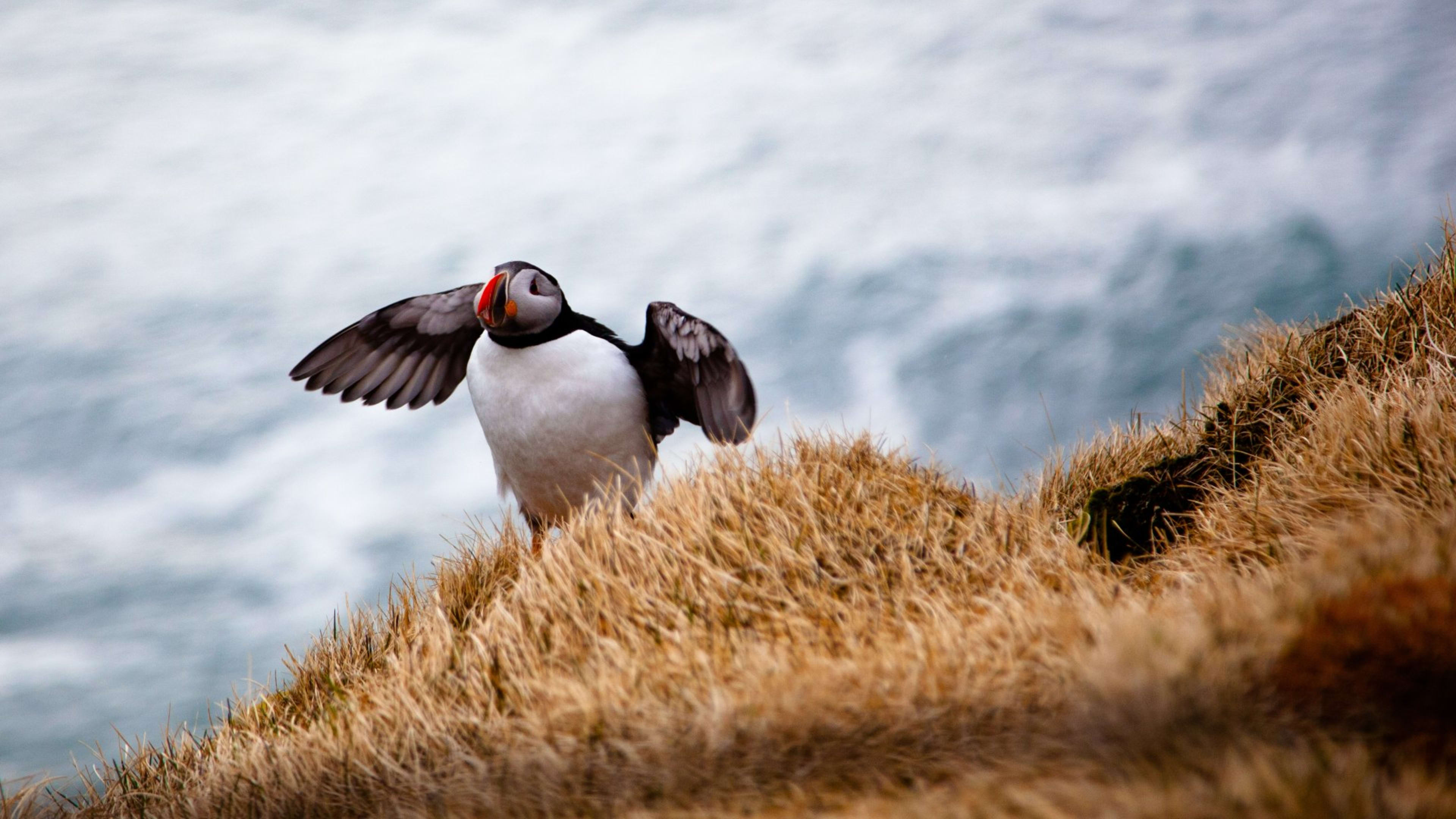
With this amount of time to explore southwest Iceland, you could also take a trip to the Westman Islands. It’s one of the country’s hidden gems you wouldn’t want to miss. In summer, this volcanic archipelago is home to one of the world’s largest puffin colonies. And if that isn’t enough, it also offers excellent hiking and whale-watching opportunities.
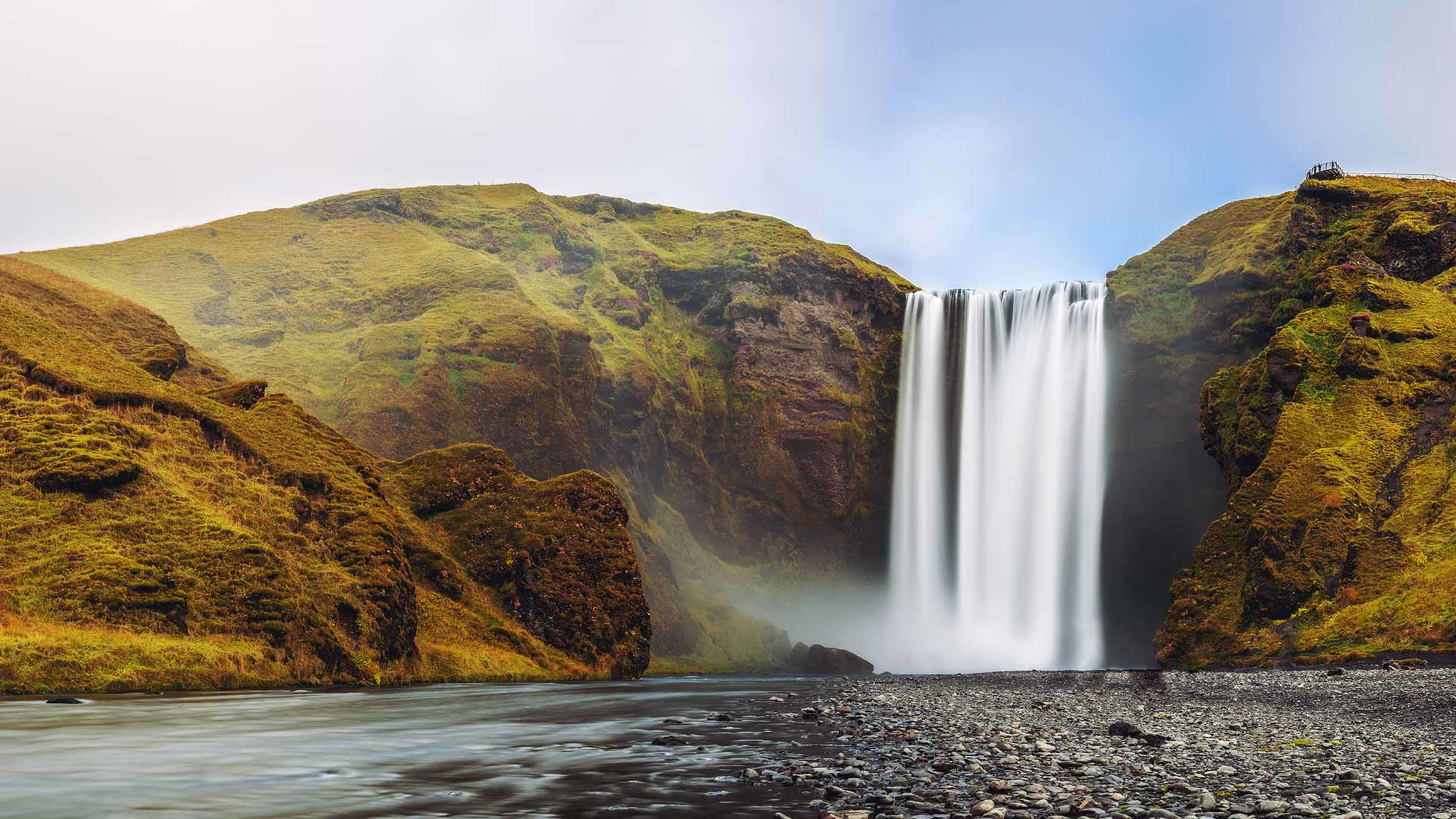
Back on the mainland, continue your journey along the South Coast, where you’ll encounter some of Iceland's best waterfalls. Highlights include Seljalandsfoss, famous for the path that lets you walk behind the cascade. And Skógafoss, one of the country’s largest and most powerful waterfalls.
- Spark your wanderlust with these top 5-day Iceland itinerary ideas.
- Related: Your complete guide to the Snæfellsnes Peninsula.
7–8 Days in Iceland: Tour the Iceland Ring Road
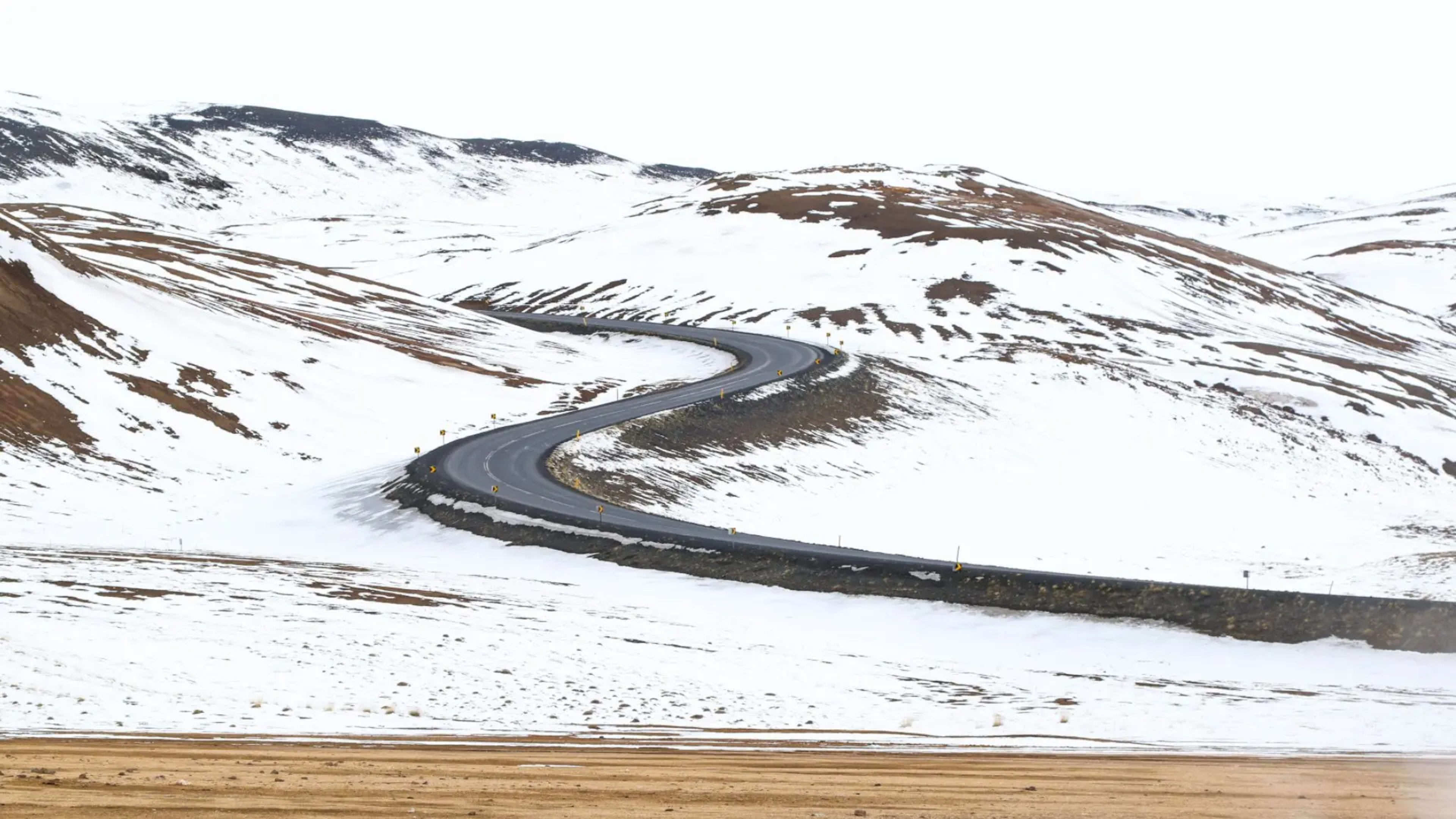
Iceland’s Ring Road, or Route 1, draws an enormous circle around most of the country. Stunning scenery and straightforward navigation make this the ultimate Icelandic road trip.
How many days on Iceland's Ring Road do you need? That depends on how far you want to travel in a day. Most road-trippers allow at least a full week in Iceland, as anything less can feel rushed. And there are plenty of mind-blowing sights to keep you busy, however long you want to take.
In fact, a Ring Road tour is one of the best ways to see Iceland. Start and end in Reykjavík, rent a car, and get ready to take in the very best of Iceland’s highlights.

After arriving in the capital, you could set out along the west coast, before heading north to Akureyri. On your way there, don’t miss the chance to check out Hraunfossar and Barnafoss waterfalls and Borgarfjörður’s wild landscapes. As you get close to the Skagafjörður valley, look out for Icelandic horses roaming freely by the roadside.
Once you get to Akureyri, you’ll want around two days in North Iceland. From here, you can visit Lake Mývatn, Goðafoss (known as the ‘waterfall of the gods’), and Dimmuborgir’s otherworldly volcanic landscape.
Then, drive south towards the wild Eastfjords. In this mountainous region, the road winds its way along the windswept coastline. You could stay the night around Höfn, before taking two days to travel back to Reykjavík along the South Coast.
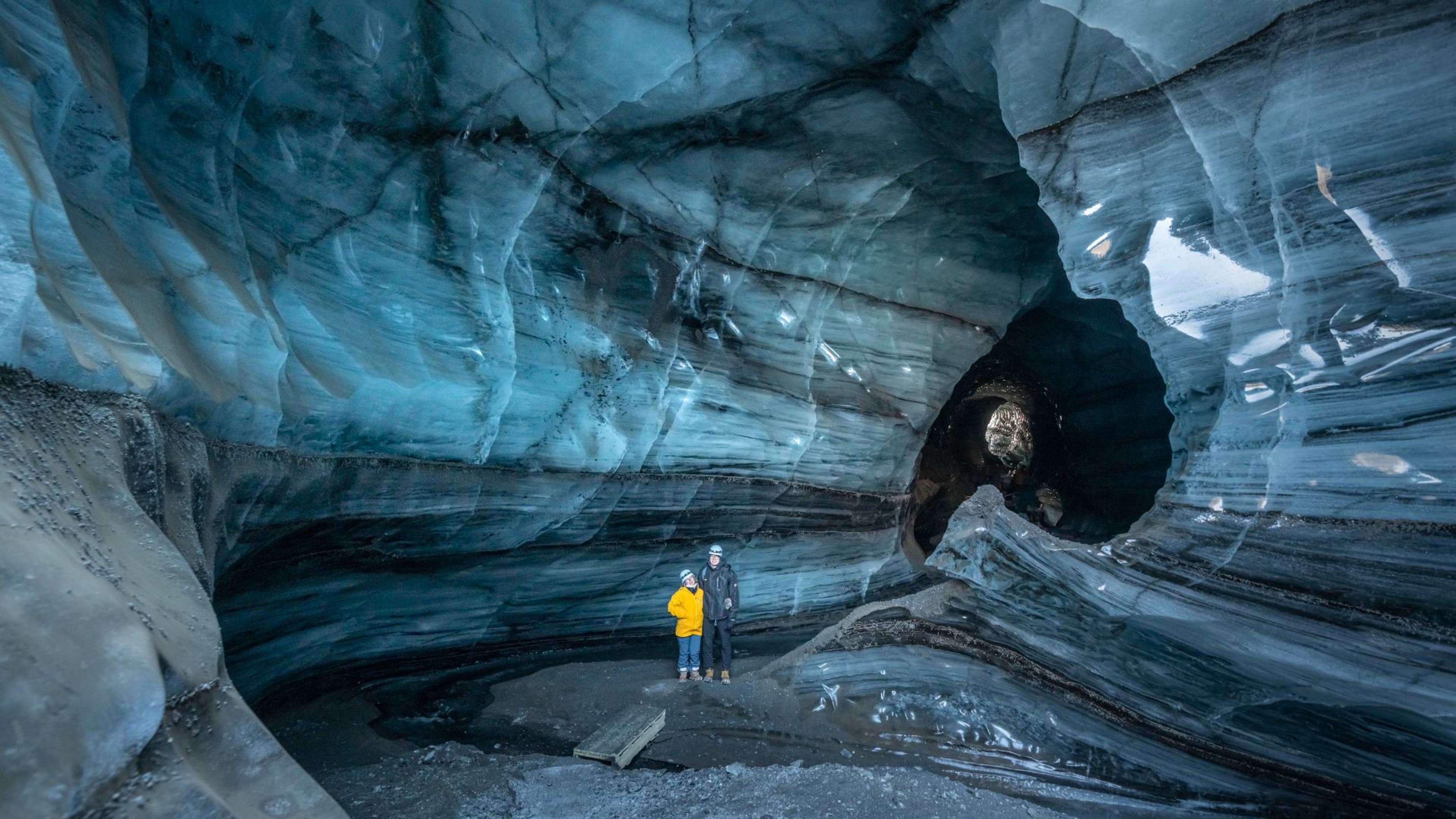
The beauty of a self-drive trip is the freedom it offers. You can stop whenever and wherever you like to explore the places that you’re drawn to the most. Plus, depending on the time of year, you could put a day aside to visit ice caves or go glacier hiking.
- Discover the Ring Road on a summer or winter vacation in Iceland.
- Related: Driving Iceland’s Ring Road – Ultimate guide.
Over 10 Days in Iceland: Westfjords & Icelandic Highlands
Fancy seeing parts of Iceland that few others go to? One of the best ways to do this is by adding detours to your Iceland Ring Road itinerary. If you want to explore Iceland to the fullest, give yourself around 10–14 days, or even longer.
No matter how many days in Iceland you plan to travel, it’s an ideal length for a luxury Iceland itinerary. A longer trip allows you to fully enjoy the comfort, exclusivity, and slower pace that luxury travel offers.
A tangle of deep fjords, golden beaches, and imposing sea cliffs, the Westfjords is one of these less-visited areas. This remote peninsula, which stretches out into the North Atlantic Ocean, is one of the least inhabited regions of Europe.

In fact, you’ll find there’s fewer than one person per square kilometer here. This makes it a haven for Arctic foxes and one of the top places to see puffins in Iceland.
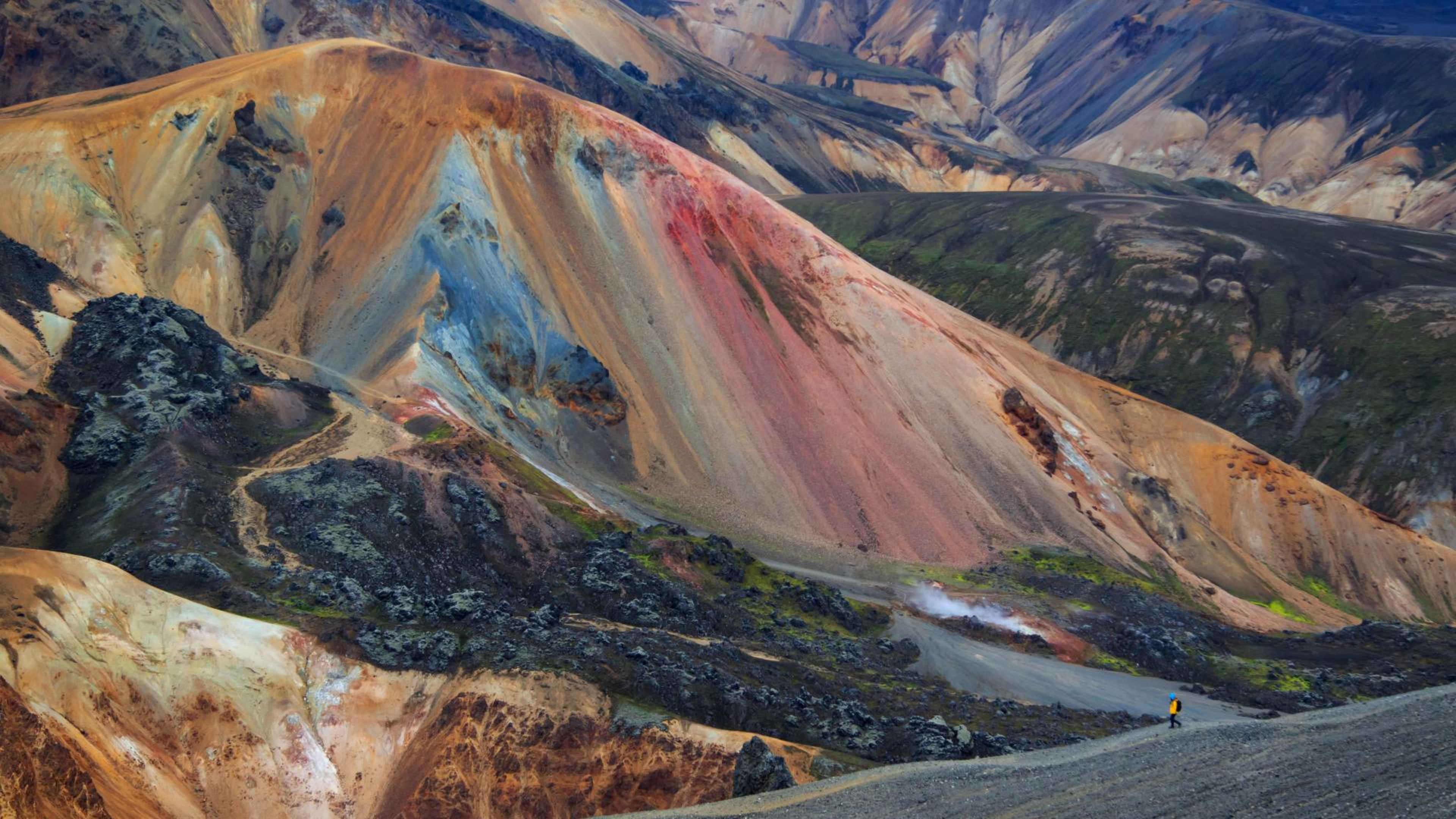
If you’re visiting Iceland in summer, you could also venture to the likes of Landmannalaugar in the Icelandic Highlands. Another one of Europe’s last great wildernesses, it’s a land of surreal multi-coloured mountains, natural hot springs, and lava fields.
Both the Westfjords and the Highlands are known for hiking trails that’ll take you through mind-boggling terrain. If you want to get off the beaten path, go camping or stay the night in a mountain hut.
While you can get a feel for both regions in a day each, know that access can be tricky. Particularly in the Highlands, where you’ll encounter unpaved tracks that require 4x4 vehicles.
As a result, moving around can be a little slower than you might be used to. This means it’s best to budget more time than you think you might need.
- Immerse yourself in nature on a camping vacation in Iceland.
- Related: Top 10-day Iceland itineraries.
Best Way to Travel Iceland: Self-Drive vs Guided Tours
After planning how many days in Iceland to add to your itinerary, decide how you want to get around. The best option depends on your travel style and how much planning you want to do yourself. Below is a quick comparison to help you decide which approach best suits your trip.
- Full freedom to tour Iceland on your own
- Ideal for confident drivers and independent travelers
- Best suited to summer, when road conditions and daylight are more favorable
- Requires careful planning around routes, weather, and accommodations
Guided tours in Iceland
- Transportation, accommodations, and itineraries are arranged for you
- Led by local experts who share insight into Iceland’s nature and culture
- A stress-free way to see the top sights in Iceland in a limited time
- Especially popular for those visiting Iceland for the first time
- Often, the safer and more convenient way to travel in winter
Many travelers opt for guided tours for the convenience and peace of mind they offer. Iceland Tours combine local expertise with well-planned itineraries, making it easier to experience Iceland’s highlights without worrying about logistics.
Best Time to Visit Iceland on a Multi-Day Trip
The best time to visit Iceland depends on what you want to experience during your multi-day trip. Each season offers different advantages, from long summer days to winter’s snowy landscapes and Northern Lights.
- Summer (June–August): Best for road trips, hiking, and wildlife watching. You’ll enjoy long daylight hours, easier driving conditions, and access to more remote areas like the Highlands and the Westfjords.
- Autumn (September–October): A great time for fewer crowds, fall colors, and the start of Northern Lights season. Daylight is still reasonable, making it well-suited to multi-day itineraries.
- Winter (November–March): Ideal for winter Northern Lights hunting, ice caves, and winter landscapes. While daylight hours are shorter and road conditions can be challenging, guided tours make multi-day trips easier and more comfortable.
- Spring (April–May): A quieter time to visit as snow begins to melt and daylight increases. Some Highland roads remain closed, but it’s a good option for travelers seeking fewer crowds.
Planning your itinerary around daylight hours and weather conditions is key to making the most of your trip in Iceland.
Iceland Travel Planning Tips and Reminders
Before you start booking flights, it helps to know a few key things to know before traveling to Iceland. From choosing the right season to understanding travel times, this knowledge plays a big role in planning your trip.
These practical Iceland vacation tips will help you travel smarter and avoid common mistakes. Plus, it makes you feel confident about planning a trip to Iceland that suits your interests and schedule.
- Plan your itinerary around how many days in Iceland you have: Iceland may look small, but travel times add up. Decide how many days you have first, then build a realistic itinerary.
- Pick the season that matches your travel goals: Summer is best for road trips and wildlife, while winter offers fewer crowds and opportunities for Northern Lights. Daylight and weather vary greatly by season.
- Allow extra time for travel and road conditions: Icelandic weather, road quality, and scenic stops can slow travel. Build extra time into your plans, especially outside Reykjavík or in winter.
- Pack for changing weather, no matter the season: Layered clothing, waterproof outerwear, and sturdy shoes are essential year-round.
- Book key services in advance: Hotels, rental cars, and popular tours often sell out in peak season, so planning ahead pays off.
- Stay flexible: Some of Iceland’s best moments come from unplanned stops, whether it’s a hidden waterfall or a scenic viewpoint.
Plan a Trip to Iceland with Iceland Tours
How long you spend in Iceland is entirely up to you. Whether you have a long weekend or more than two weeks, the country rewards every traveler with unforgettable experiences.
When deciding how many days in Iceland to plan, it’s also worth considering how you want to travel. With Iceland Tours, you can choose the style of trip that suits you best.
Like the idea of taking the wheel and exploring at your own pace? A self-drive trip to Iceland could be the perfect fit for you. We’ll take care of the details, including car rental, accommodation, and optional activities, so you can focus on the journey.
If you’d rather let someone else drive, a group trip or private tour of Iceland would be a good choice. Along the way, your guide will share local knowledge and stories that bring Iceland’s landscapes to life.
Alternatively, you can base yourself in the capital and explore the nearby area on one of these multi-day packages from Reykjavík. This is an ideal choice if you want the comfort of staying in the city while discovering Iceland’s natural wonders on guided day tours.
No matter how you choose to travel, Iceland Tours makes planning easy. Explore our last-minute Iceland trips and start planning your adventure today!
FAQ: How Many Days in Iceland
Is 5 days in Iceland enough?
Yes, 5 days is enough to see Iceland’s highlights, including Reykjavík and the South Coast. It strikes a good balance between sightseeing and travel time, without feeling rushed.
Is Iceland worth it for 3 days?
Absolutely. A 3-day trip in Iceland lets you experience Reykjavík and nearby attractions like the Golden Circle and the South Coast. This travel length offers a great introduction to the country, especially if it’s your first time in Iceland.
How many days are in Iceland in winter?
Plan for 5–7 days in winter in Iceland to allow flexibility for weather and road conditions. This also gives you multiple chances to see the Northern Lights, witness frozen waterfalls, and admire snowy landscapes.
How many days in Iceland are needed to see the Northern Lights?
Aim for at least 4–5 nights in Iceland to get a chance to see Northern Lights. This increases your chances, as sightings depend on weather, darkness, and solar activity.
How long do you need in Reykjavík?
Two to three days is ideal for exploring Reykjavík’s main sights, food scene, and nearby excursions like the Golden Circle. This also allows you to explore Iceland’s famous geothermal pools, like the Blue Lagoon.
How many days are in Iceland in summer?
Seven to ten days is ideal for an Iceland summer itinerary, thanks to long daylight hours and easier driving conditions. This allows time for a Ring Road trip or multiple visits to regions.
How many days in Iceland with kids?
Five to seven days works well for families visiting Iceland, allowing a relaxed pace and fewer long driving days. Staying in fewer locations or having a central base makes travel easier with kids.